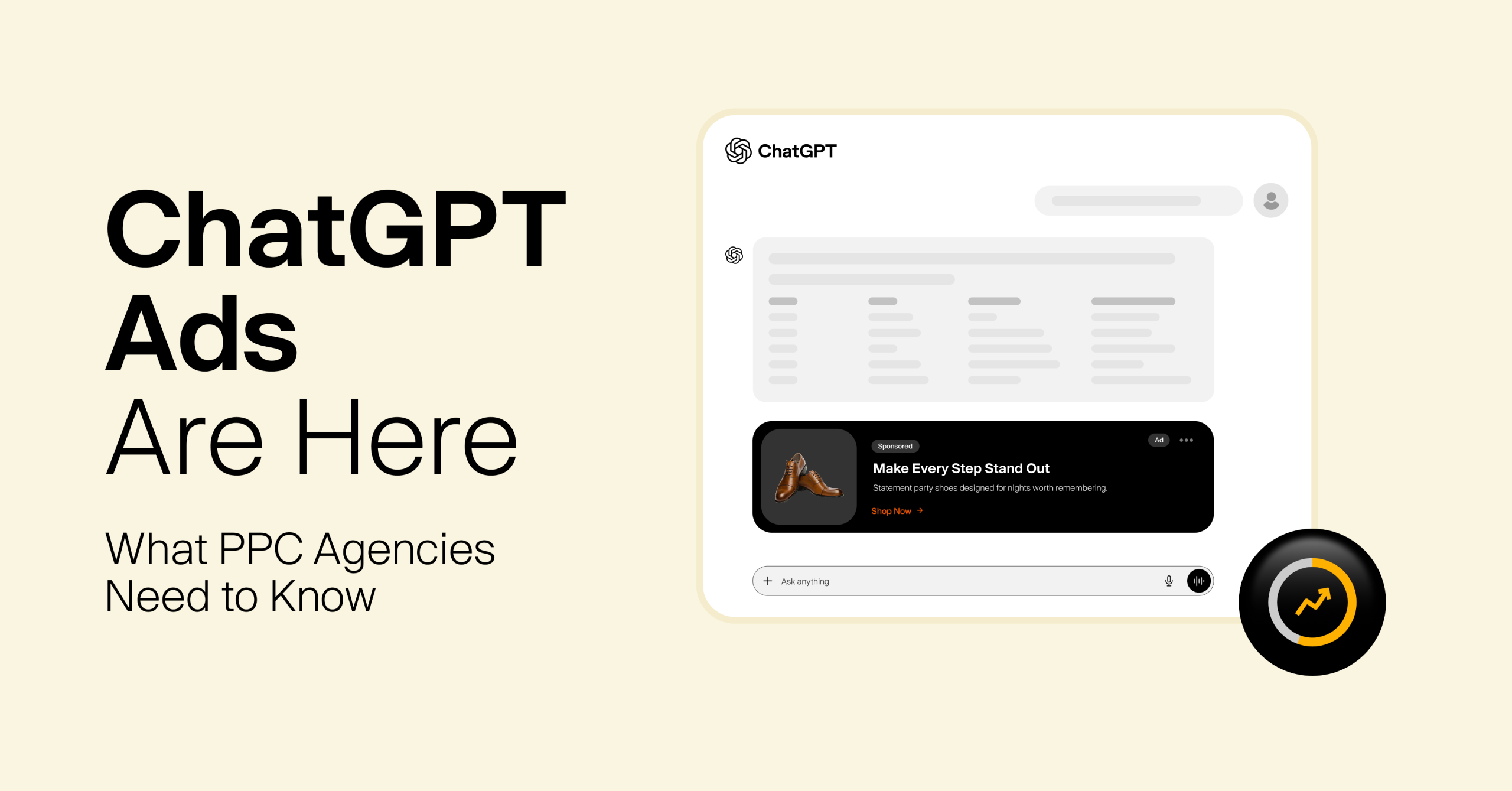
On August 31, 2026, OpenAI announced that ChatGPT Ads had crossed a $1 billion annualized revenue run rate, reached in under 200 days since the product opened to advertisers.
We’ve been fielding a version of the same question from PPC and paid media agency partners ever since it launched in February: should we be offering this yet?
Here’s the short version: yes, and probably sooner than feels comfortable. The longer version (what ChatGPT Ads actually are, how they work, whether to build the capability in-house or bring in a white-label partner, and what your clients are going to ask before you’re ready for it) is what we’ve laid out below.
TL;DR
- ChatGPT Ads launched to advertisers in February 2026 and hit a $1 billion annualized revenue run rate in under 200 days, live in 40+ countries as of September 2026.
- Ads appear as clearly labeled placements next to ChatGPT’s answers, not inside them, and don’t influence what the AI recommends.
- PPC and paid media agencies can add this as a service by building the capability in-house or partnering with a white-label provider; white-label is faster to launch and doesn’t require a new hire.
- Brand safety is strict: prohibited and case-by-case restricted categories are enforced, and ads only run for users 18+.
- E2M runs white-label ChatGPT Ads management for agencies starting at $499/month, so you can say yes to a client without building a new team.
What are ChatGPT Ads, exactly?
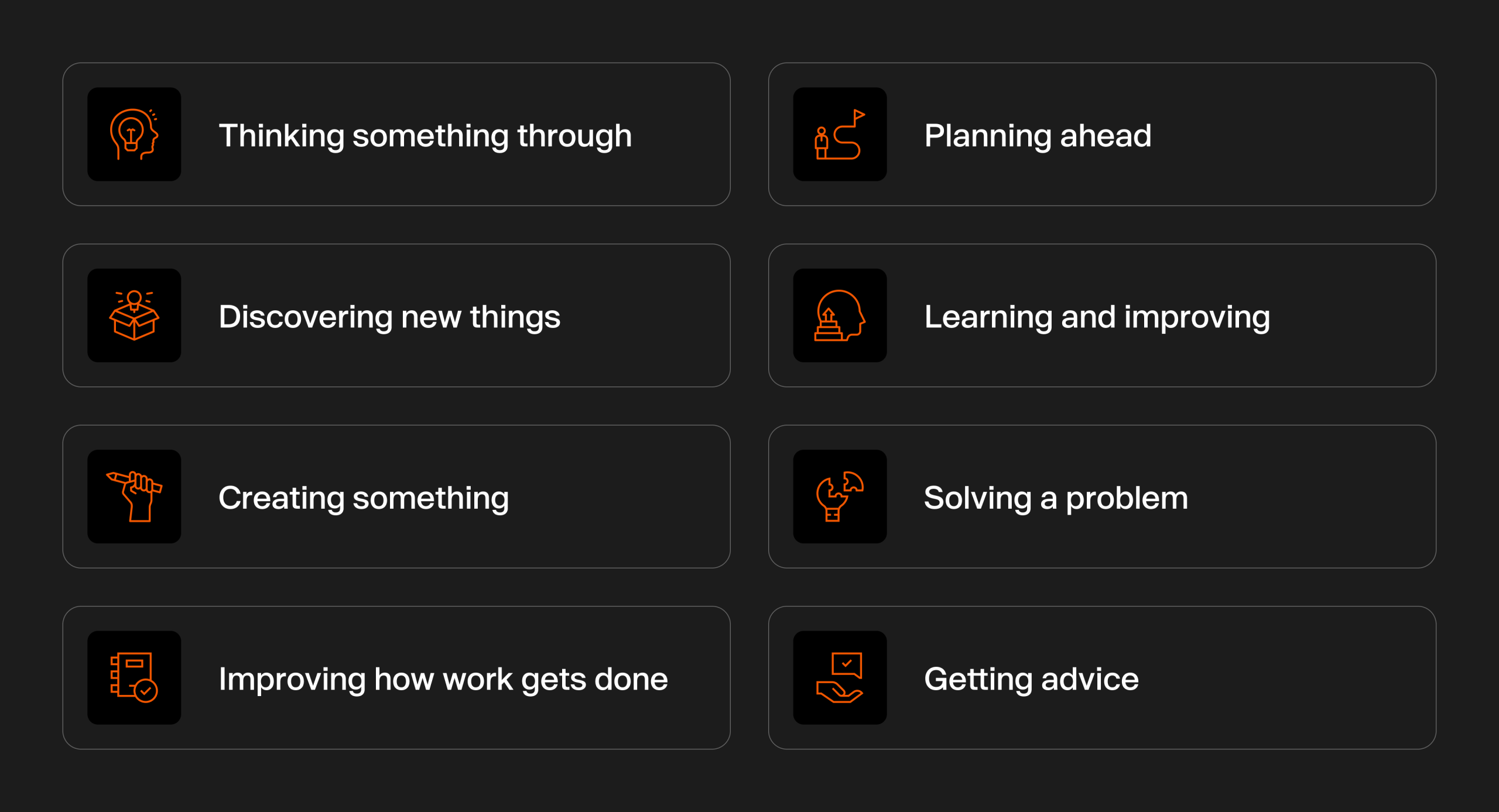
That distinction matters for how you’ll explain this to clients: this is not “SEO for AI answers,” and it’s not the same as showing up in an AI Overview.
It’s a paid media channel with its own targeting, bidding, and creative mechanics, running inside a chat interface used by over a billion people every week, which makes it a natural extension of a PPC or paid media service line, not a separate discipline you have to build from scratch.
Ad formats currently include sponsored text placements, shopping-style product carousels, and reach/click-based formats, with targeting options that include custom audience uploads, geographic targeting down to the ZIP code level in the US, and platform targeting across iOS, Android, and web.
Why this is moving faster than most agencies planned for
A few numbers explain the urgency better than we could:
- $1 billion in annualized ad revenue in under 200 days since launch, one of the fastest ramps of any new ad platform on record (OpenAI; Forbes).
- Tens of thousands of advertisers are already active on the platform, with small and medium-sized businesses now making up a material share of revenue (OpenAI).
- Ads are now live in over 40 countries, with self-serve access expanding into India, Europe, the Middle East, and North Africa as of late August 2026 (OpenAI).
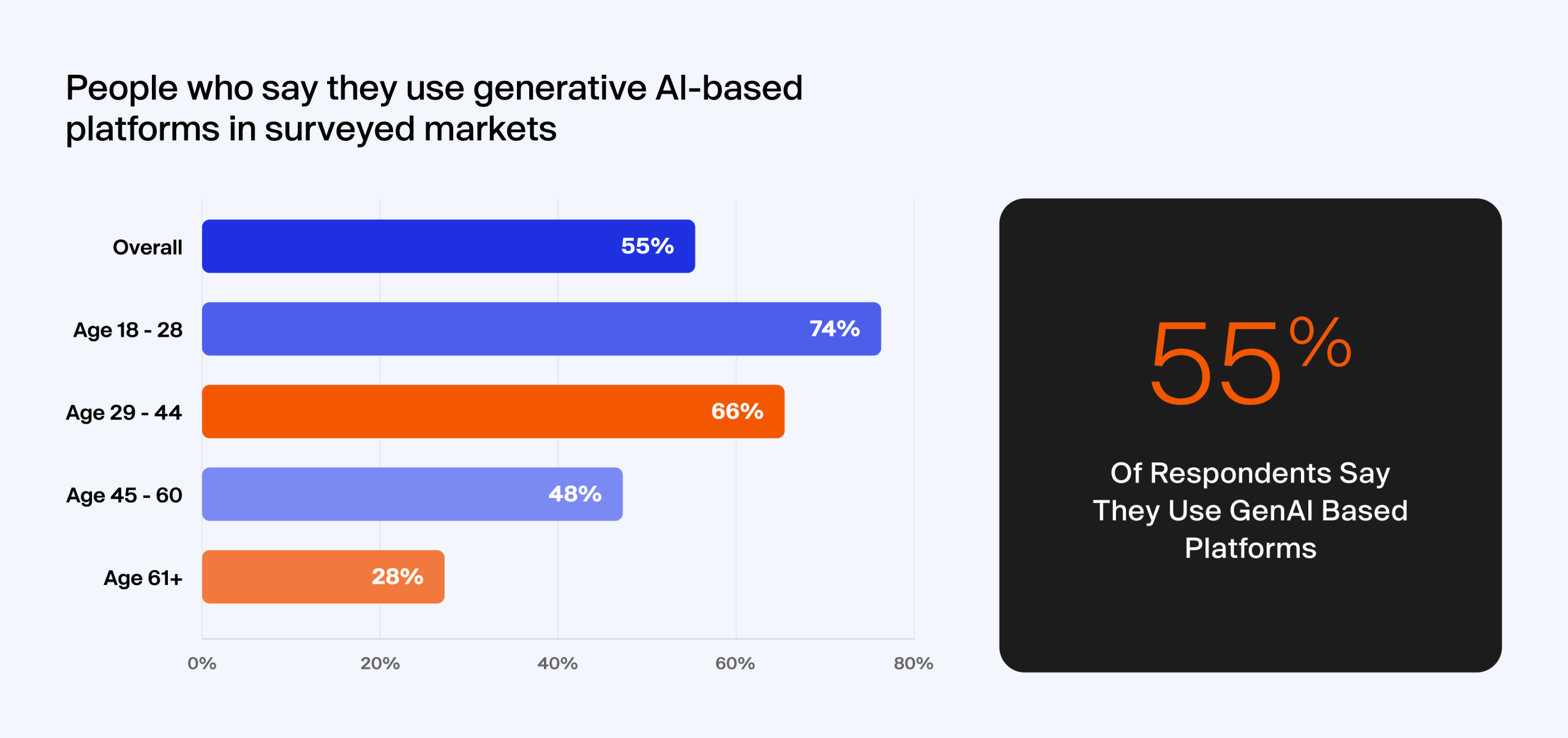
- Roughly 55% of people surveyed globally now say they use generative AI platforms, rising to around three-quarters of Gen Z respondents. The audience was already there before the ad product was (2026 Edelman Trust Barometer, cited by OpenAI in its ChatGPT Ads product briefings).
For a PPC agency, that combination (real spend, real advertiser count, real global availability) is what turns “interesting experiment” into “line item clients will ask about this quarter.” That’s the outer boundary of how long “wait and see” is a safe strategy here. It’s also why an entire cottage industry of “best ChatGPT ads agency” rankings has already sprung up in the last few months. The demand is real, and agencies are actively being evaluated on whether they can deliver.
How ChatGPT Ads actually work
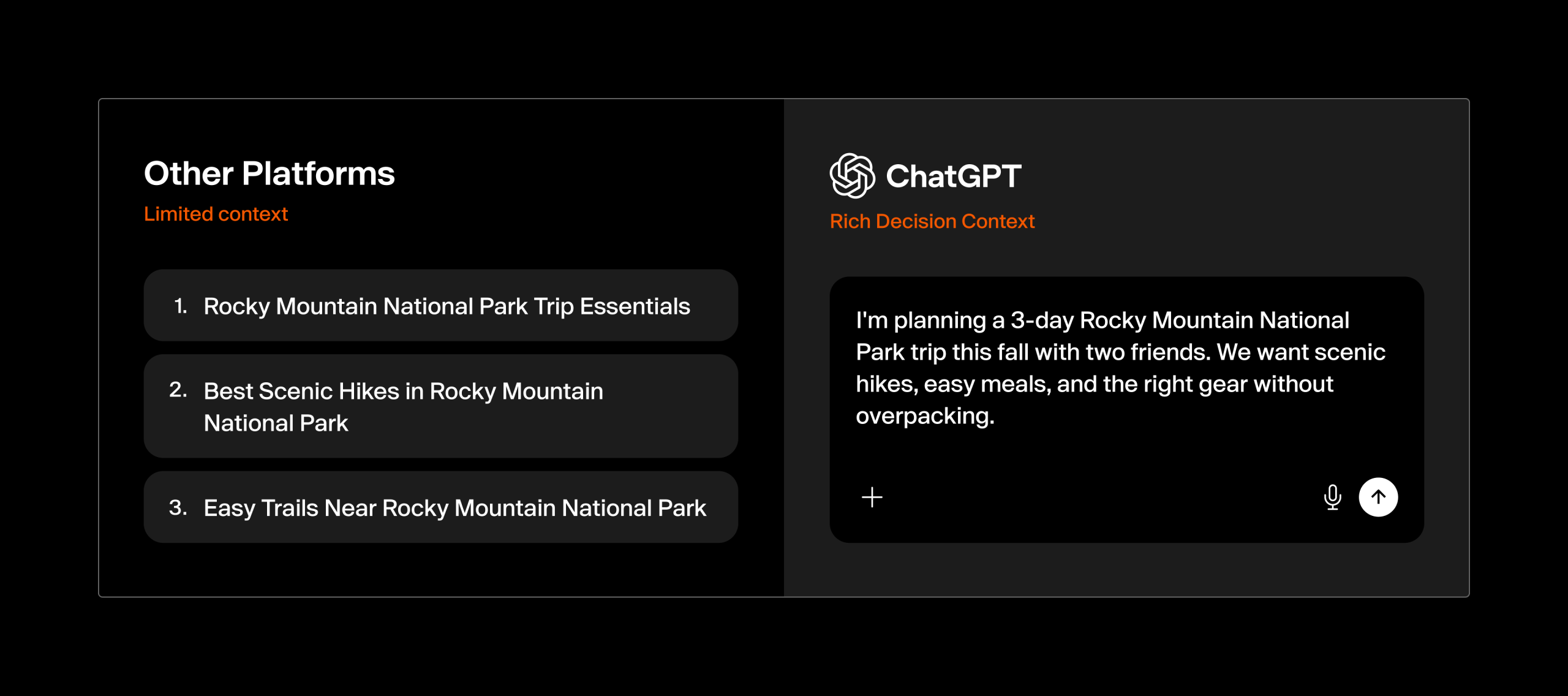
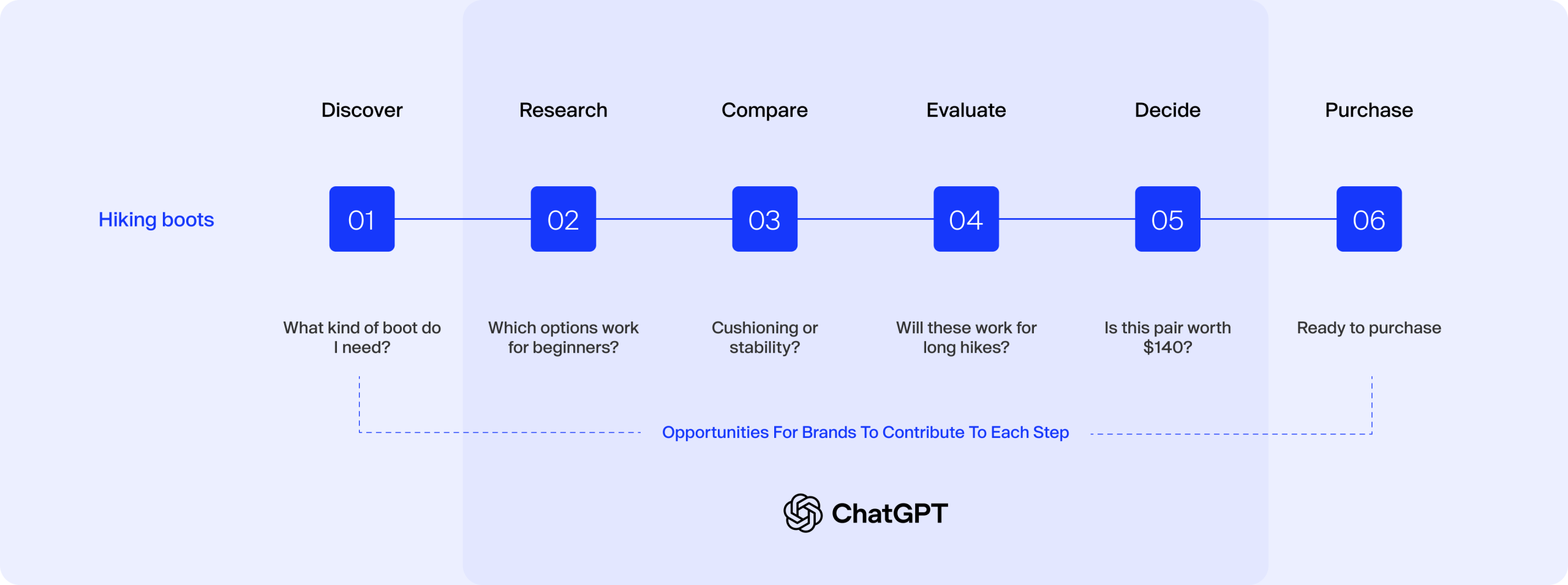
A few mechanics we’d flag before you set client expectations:
- Targeting runs on custom audiences (uploaded customer/prospect lists), geographic targeting, and platform targeting, not demographic guesswork.
- Bidding is primarily CPC and outcome-optimized, with a Pixel and Conversions API available for attribution, closer in spirit to Meta’s setup than to a keyword auction, but built around conversational signals instead of page or feed behavior.
- Brand safety is enforced through a mix of automated classifiers and human review. Ads are blocked from categories OpenAI defines as brand-unsafe or sensitive (political content, weapons, adult content, gambling), and restricted case-by-case in categories like financial services and healthcare. Ads never appear in conversations OpenAI classifies as emotionally sensitive or health-related, and are limited to users 18+ (OpenAI Ad Policies).
NOTE: That safety architecture is worth knowing cold. It’s almost always the first thing a cautious client asks about, and “I don’t know” is not an answer that keeps the account.
White label Ads vs. building an in-house ChatGPT Ads team
Once you’ve decided ChatGPT Ads belongs in your service line, there are really only two ways in: build the capability internally, or plug in a white-label partner who’s already running it.
Here’s how the two actually compare, not in theory:
| Build in-house | White-label Ads partner | |
|---|---|---|
| Time to first live campaign | Weeks to months: new platform, new bidding logic, new policy review to learn | Typically days, since the partner already runs the mechanics |
| Team requirement | Requires a specialist (or an existing PPC lead) to learn a new platform from scratch | No new hire; your account management stays client-facing |
| Cost structure | Salary/time cost regardless of how much client budget you're actually managing | Scales with client ad spend: flat monthly fee, not fixed overhead |
| Risk of early mistakes | Higher: first campaigns are a live learning curve on your client's budget | Lower: partner has existing campaigns and known bid ranges to work from |
| Best fit | You have 5+ clients who want this immediately, or a specialist ready to dedicate time to it | You want to say yes to a client this month without a hiring cycle |
Neither path is wrong. It’s a build-vs-buy decision, structurally no different from any other new service line. The difference is speed: a white-label partner lets you answer “yes, we do that” the next time a client asks, instead of “let us get back to you” while someone on your team learns the platform.
See this in action: If you’d rather skip the build-vs-buy debate entirely, talk to E2M’s white-label ChatGPT Ads team about adding this as a service this month.
What your clients are going to ask first
If you manage paid media for clients, these are the actual queries that come up, roughly in this order, and it’s worth having the answer ready before you’re asked in a call, not after.
“Are ChatGPT Ads real, or still in beta?”
It’s live, global, and growing faster than most ad platforms in history reach that scale. Not a pilot anymore.
“Will my ad show up next to something embarrassing?”
OpenAI’s brand-safety policy explicitly restricts placement around sensitive and unsafe topics, and blocks ads from personal or health-related conversations entirely. Stricter, narrower environment than the open web.
“How is ChatGPT Ads different from SEO for ChatGPT or AI Overviews?”
Different disciplines, full stop. AI/generative-engine visibility is about being cited organically in an AI-generated answer; ChatGPT Ads is a paid, bid-based placement next to that answer. Clients will eventually want both, and won’t distinguish between the two unless you do.
“What does ChatGPT Ads cost, and is it worth testing?”
Bidding is CPC and outcome-based, so budgets can start small and scale with performance, closer to a Google Ads pilot than a big upfront media buy.
“Do ChatGPT Ads actually work?”
Early advertiser data is promising, though it’s still OpenAI’s own reporting rather than independently audited: one e-commerce advertiser reported a 3x return on ad spend over 28 days, and a technology-sector advertiser found more than 80% of its ad-driven traffic came from new customers (OpenAI). Directional, not guaranteed. That’s true for any platform’s case studies, including ours.
How ChatGPT Ads compares to the platforms you already run
| ChatGPT Ads | Google Search Ads | Meta Ads | |
|---|---|---|---|
| Targeting basis | Conversational intent + custom audiences, geo, platform | Keyword + intent signals | Interest, behavior, lookalike audiences |
| Placement | Labeled placement below/beside the AI response | Above/within search results | In-feed, native to platform |
| Bidding model | CPC / outcome-optimized | CPC, CPA, ROAS-based | CPC, CPM, ROAS-based |
| Maturity (as of Sept 2026) | ~7 months old, expanding fast | Mature, 20+ years | Mature, 15+ years |
| Reporting depth | Early-stage; Pixel + Conversions API live, more on the roadmap | Extensive, granular | Extensive, granular |
| Best fit today | Early-mover categories, e-commerce, local services | Bottom-funnel, high-intent search | Awareness + retargeting at scale |
The practical read: ChatGPT Ads won’t replace Google or Meta budgets this year. But it’s the first genuinely new paid channel with real scale to show up in years, and the reporting/targeting sophistication is improving quickly, not sitting still.
What to ask before choosing a white-label ChatGPT Ads partner
If you decide to partner rather than build, vet it like you’d vet any fulfillment partner that touches your client relationships.
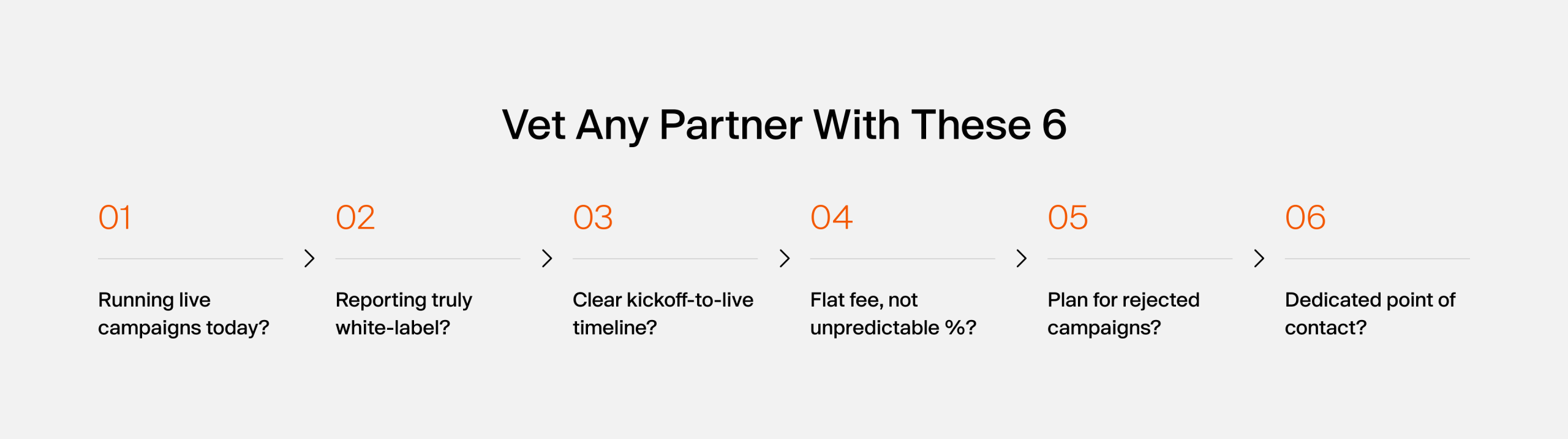
We’d ask a prospective partner (any partner, not just us):
- Do they run live ChatGPT Ads campaigns today, or are they adding this reactively? A partner already managing spend on the platform knows current bid ranges and policy quirks a brand-new entrant hasn’t hit yet.
- Is the reporting genuinely white-label, or does your client see the partner’s branding anywhere? Ask to see a sample report before signing anything. Non-negotiable.
- What’s the actual process from kickoff to a live campaign, and how long does it take? A vague answer here usually means an immature process.
- Is pricing a flat fee, an ad-spend tier, or a percentage that scales unpredictably as your client’s budget grows? This affects your margin more than almost any other variable in the relationship.
- What happens when a campaign gets flagged or rejected under OpenAI’s ad policies? A partner who can’t walk you through their audit/eligibility process hasn’t run into this yet, which tells you something on its own.
- Is there a dedicated point of contact, or a shared support queue? For a client-facing service, response time matters as much as campaign performance.
The real risk isn’t the channel: it’s the timing
The agencies that end up “the ChatGPT Ads agency” in their market are the ones who can already run a client’s first campaign when the question comes up, not the ones figuring out context hints and bid ranges after the client’s already asked three competitors. Early-mover positioning on a genuinely new channel is one of the few times a mid-size agency can look more capable than a network-level competitor overnight. That window closes as the market gets comfortable with the platform.
How we help PPC and paid media agencies offer this without building a new team
This is the exact gap our white-label ChatGPT Ads service is designed to fill. “White label” means the whole workstream runs under your agency’s brand; we have no direct contact with your client, and your reporting, communication, and account relationship stay yours:
- Strategy and campaign planning across awareness, consideration, and conversion stages, mapped to ChatGPT’s ad formats.
- Setup and creative, including conversational ad copy and context-hint writing (the ChatGPT Ads equivalent of keyword and audience structuring), built and A/B tested for performance.
- Ongoing optimization, including daily bid management within OpenAI’s recommended ranges and continuous refinement based on conversation-match performance.
- Reporting, delivered as branded, white-label monthly reports with a dedicated project lead, so what your client sees looks like it came from your team.
We run this as a five-stage process: discovery, a ChatGPT Ads eligibility and risk audit, campaign build, testing and optimization, and ongoing reporting: month-to-month terms, tiered flat-rate pricing based on ad spend (starting at $499/month for budgets up to $5K), not a percentage cut that grows unpredictably with your client’s spend.
For a PPC or paid media agency, the outcome is simple: you can say yes the next time a client asks about ChatGPT Ads, without pulling a specialist off Google and Meta accounts to go learn a new platform from scratch.
FAQs
No. Ads run through an approval and eligibility process, and OpenAI restricts or reviews certain categories case-by-case (including financial services and healthcare), while other categories are prohibited outright: gambling, adult content, weapons, political advocacy, and more.
No. OpenAI states that ad placements are separate from and don’t influence ChatGPT’s own response to the user: the ad appears alongside the answer, not inside it.
There’s no official minimum spend threshold published by OpenAI. Bidding is CPC and outcome-optimized, which typically allows a smaller pilot budget than a traditional upfront media buy.
Depends on volume and timeline. Building in-house makes sense if several clients want this immediately and a specialist can be dedicated to learning the platform. A white-label partner makes sense when you want to say yes to a client this month without a hiring or training cycle. Cost then scales with client ad spend instead of fixed headcount.
Yes. We run strategy, setup, optimization, and reporting under the agency’s own brand, with no direct contact between the agency’s end client and us.
Most current “best ChatGPT ads agency” lists rank providers that work directly with advertisers, not agency-to-agency white-label partners, a much smaller category. When evaluating one, prioritize partners already running live campaigns, genuinely white-labeled reporting, and transparent pricing over an unpredictable percentage cut. We built E2M’s service specifically for agency fulfillment, not direct-to-advertiser work.
No. It’s an additional paid channel alongside search and social, and a different discipline entirely from earning organic visibility in AI-generated answers.
Key Takeaways
- ChatGPT Ads is no longer experimental: a $1B run rate in under 200 days means clients will keep asking about it, not fewer.
- The ad experience is separate from ChatGPT’s answers, and brand safety is enforced through prohibited and case-by-case restricted categories.
- Agencies have two paths in: build the capability in-house, or partner with a white-label provider to launch in days instead of months.
- Vet a trusted white-label ads partner on live campaign experience, genuinely white-label reporting, transparent pricing, and support responsiveness before signing anything.
- E2M’s white-label ChatGPT Ads service covers strategy, setup, optimization, and reporting under your agency’s brand, starting at $499/month.
Next Steps
- Talk to E2M about white-label ChatGPT Ads services
- See E2M’s white-label PPC services
- Explore white-label AI solutions for agencies
- Read why agencies should care about ChatGPT Ads now
The businesses winning early on ChatGPT Ads aren’t necessarily the biggest brands. They’re the ones who moved first. If you’d rather have this capability ready before the question comes up than after, book a call with E2M, and we’ll show you how white-label ChatGPT Ads slots into your agency’s existing service stack.